What's Actually Killing Livestock in the Southwest

Most cryptids start with a sighting. This one started with a body count.
In the mid 1990s, ranchers in Puerto Rico began finding livestock, mostly goats, dead with puncture wounds and drained of blood. No tracks, no obvious predator, and enough dead animals that it wasn't easily written off as coyotes.
The name chupacabra literally means goat sucker, which tells you exactly what people thought was happening.

The Sightings Spread Fast
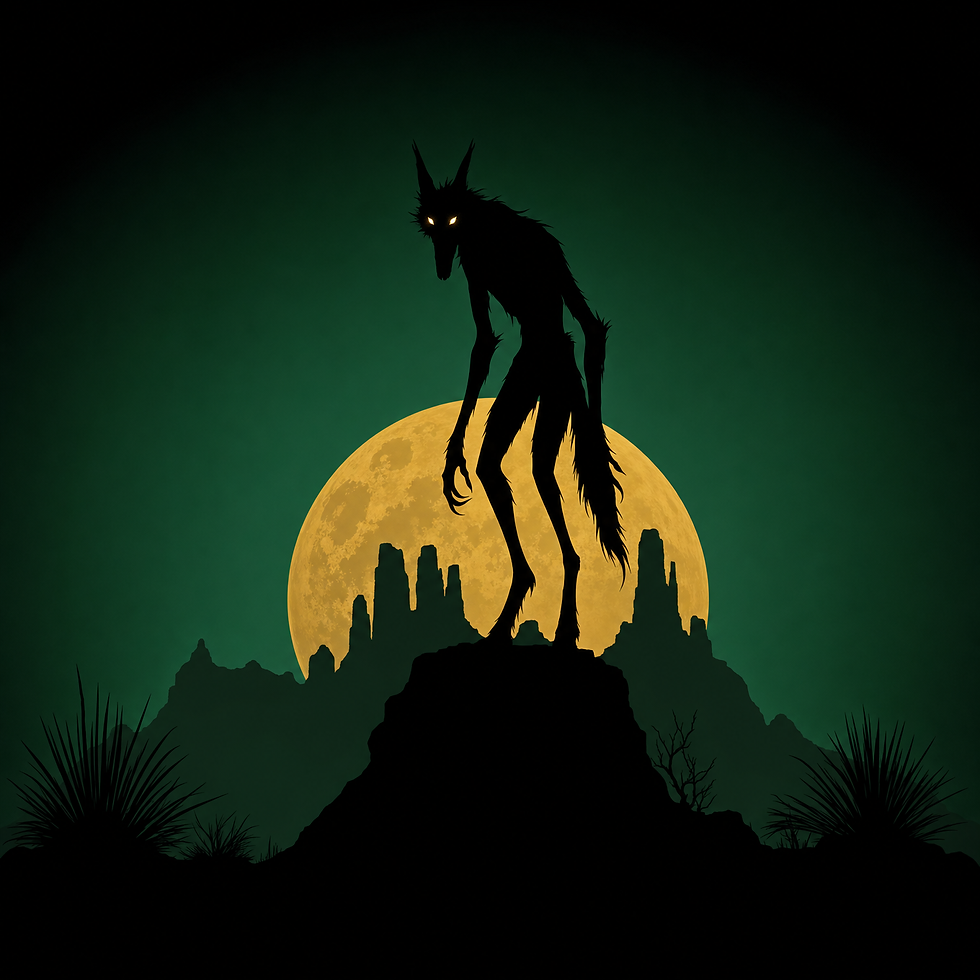
Within a few years, similar reports started showing up across Mexico, Texas, and other parts of the American Southwest. Descriptions varied more than most cryptid accounts, sometimes reptilian and spiked, sometimes more like a hairless coyote, which is actually one of the more interesting problems with this legend.
The Mangy Coyote Theory
The leading scientific explanation is that a lot of sightings, especially the more recent ones, are coyotes or dogs with severe mange, which strips their fur and changes their silhouette enough to look genuinely alien in bad lighting. DNA testing on several captured "chupacabra" bodies over the years has come back as exactly that. It's a solid explanation for a meaningful chunk of the sightings.
What Doesn't Fully Fit
What that theory doesn't fully explain is the original wave of livestock deaths in Puerto Rico, which had a specific pattern of wounds and blood loss that mangy coyotes don't typically produce. Whatever killed those first goats, and whether it's the same thing being reported today, are two different questions that tend to get flattened into one legend.
Come Wonder About It With Me
If you've got a chupacabra story from Texas, Puerto Rico, or anywhere in between, I want to hear it in the IDK Talk Show community.


Comments